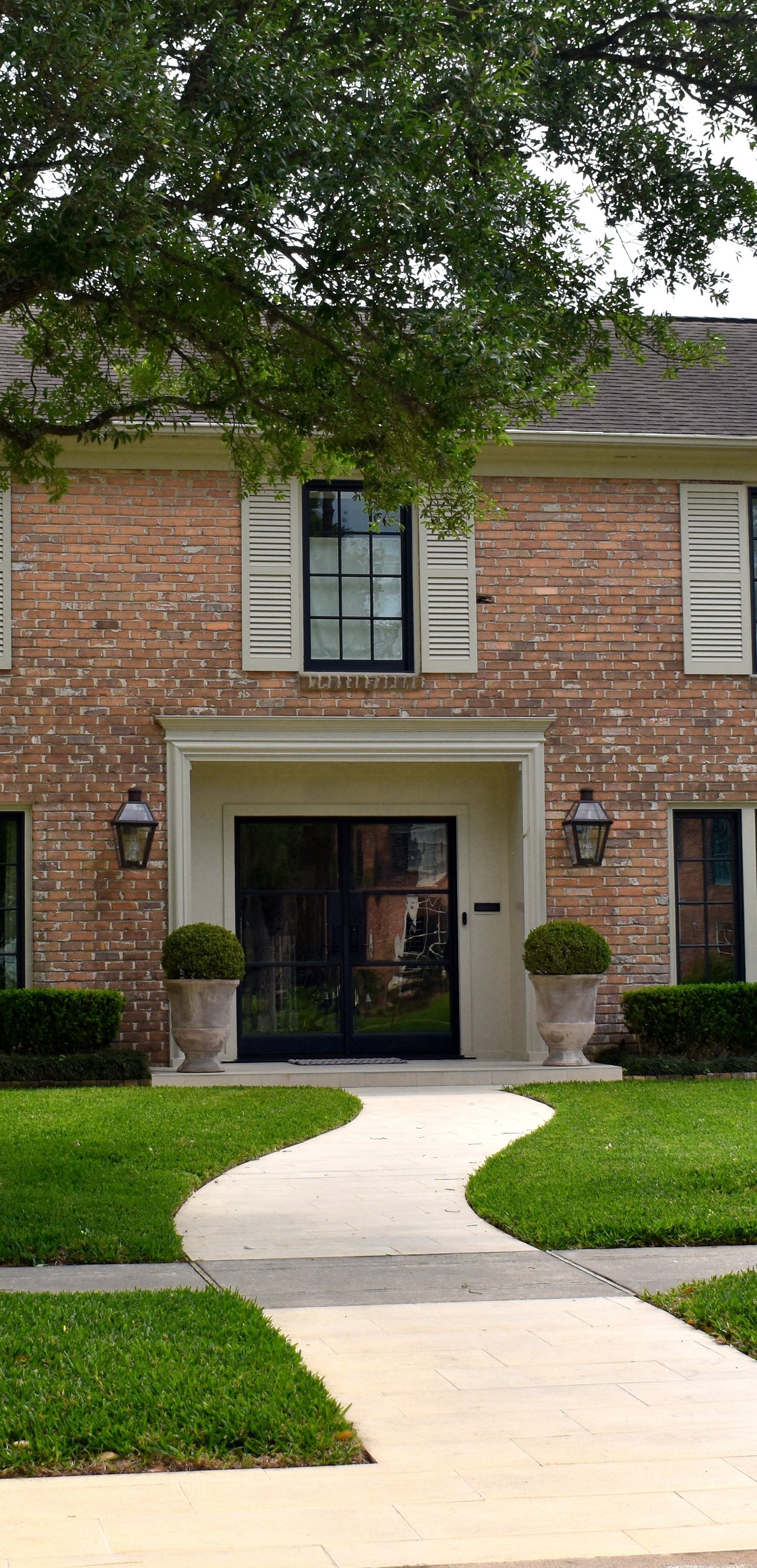

Thinking about designing a custom home or updating your exterior in Bender’s Landing Estates? The community’s architectural guidelines and review process shape what you can build, how long approval takes, and how to plan your budget. When you understand the steps and standards up front, you avoid costly rework and keep your timeline on track. This guide walks you through what to request, how the Architectural Control Committee (ACC) process typically works, which exterior rules you are likely to see, and smart local tips so you can move forward with confidence. Let’s dive in.
Why architectural guidelines matter
Architectural guidelines protect neighborhood character and long‑term property values. They also give you a clear playbook for materials, rooflines, driveways, fencing, and landscaping. For custom homes and major exterior updates, these standards can influence your design choices, costs, and schedule.
If you are listing soon, approvals and final sign‑offs help reassure buyers and title companies that there are no open violations. If you are buying land to build, understanding the process now saves you weeks during due diligence and the early design phase.
The documents you need first
Core records to request
- Recorded covenants, conditions, and restrictions (CCRs) for Bender’s Landing Estates
- Neighborhood Architectural Guidelines or Design Handbook
- Plat map and any restrictive covenants recorded with Montgomery County
- HOA bylaws and any board policies on architectural review, fees, or fines
- ACC application forms, approval examples, and fee schedules
- MUD rules, drainage or stormwater requirements, and any deeded easements on your lot
- Local building permit requirements for Montgomery County
- FEMA flood zone status for your parcel
Where to find them
- Ask the HOA or management company for CCRs, the latest architectural guidelines, and application forms
- Pull recorded plats and deed restrictions from Montgomery County clerk records
- Confirm flood status at the FEMA Flood Map Service Center
- Review rights and duties that affect HOAs in the Texas Property Code
- For best practices on design review, see the Community Associations Institute
How the ACC review works
Step‑by‑step process
- Pre‑application: Review CCRs and guidelines, and speak with the management company or ACC to flag non‑starter ideas before you design too far.
- Formal submittal: Complete the ACC application and include required plans, surveys, and samples.
- Administrative check: Management confirms your package is complete and fees are paid.
- Committee review: The ACC evaluates your plans against guidelines and may approve, approve with conditions, or request revisions.
- Inspections and compliance: During and after construction, inspectors may verify the work matches the approved plans.
Typical submittal materials
- Site plan and lot survey showing setbacks, easements, grades, and protected trees
- Scaled elevations of all sides, with roof pitches, window patterns, and materials
- Floor plans for new builds or a clear scope of work for remodels
- Exterior material and color schedule, including roofing samples
- Driveway and hardscape plan, plus fence and gate details
- Landscape plan, irrigation notes, and tree protection or removal information
- Drainage and erosion control plan
- Pool and equipment screening details, if applicable
- Photos of existing conditions for remodels
Timelines, fees, and approvals
- Administrative completeness checks commonly take 1 to 2 weeks.
- ACC review typically runs 2 to 6 weeks once your submittal is complete. Revisions often add 1 to 4 weeks per cycle.
- County or MUD permits run on separate timelines that can overlap with ACC review, often 2 to 8 or more weeks depending on scope.
- Many CCRs include “commence by” and “complete by” timeframes. Confirm your specific requirements.
- Expect application fees and possibly refundable deposits related to landscaping or construction impacts.
A smart planning window is 6 to 12 weeks from first draft to final approval for complex projects. Build this into your builder contracts and listing strategy.
Exterior standards you will likely encounter
Every community sets its own rules, so confirm details with the current guidelines. In many Houston‑area master‑planned communities, you will typically see standards similar to the following.
Materials and colors
- Approved roofing materials and color ranges, often architectural asphalt shingles and limited metal accents
- Brick and stone veneer expectations and guidance on mortar colors
- Allowed siding types such as fiber cement; some communities limit vinyl on visible elevations
- Trim and paint color palettes submitted with swatches for review
Roof and structure
- Minimum roof pitches and preferred roof forms to avoid flat, boxy silhouettes n- Eave overhangs and gutter placement that manage drainage without visual clutter
- Requirements to screen visible structural hardware when practical
Garage, driveway, and parking
- Standards for front‑facing garage doors and architectural detailing
- Maximum driveway width and approved paving materials
- Rules on RVs, boats, trailers, and commercial vehicles visible from the street
Fences and gates
- Allowed fence heights, materials, and finishes; chain link is commonly restricted in visible areas
- Placement rules relative to setbacks, easements, and street corners
Pools and hardscape
- Setbacks from property lines and easements for pools and spas
- Required screening of pumps and equipment
- Safety fencing that also meets local code
Accessory structures
- Size and placement limits for sheds, cabanas, and detached garages
- Material and color matching to the main residence
Mechanical equipment and solar
- Placement and screening for AC condensers and other equipment
- Solar installations often allowed with reasonable rules on placement and appearance; confirm current HOA policies and the Texas Property Code
Landscaping, trees, and irrigation
- Minimum front yard landscaping standards, often including a set number of trees and shrubs
- Tree protection during construction and replacement requirements if protected trees are removed
- Drought‑tolerant or region‑appropriate plant lists encouraged; explore the Texas A&M AgriLife Extension for regional recommendations
Exterior lighting and signage
- Limits on brightness, glare, and fixture height for security and landscape lighting
- Size and placement rules for for‑sale signage
Ongoing maintenance
- Requirements to keep exteriors and landscaping in good condition
- Sellers may need to resolve violations before closing or disclose any open issues
Local factors in Spring and Montgomery County
Climate and durability
The region is hot and humid, with intense summer rain. Choose durable roofing, siding, and finishes rated for local wind and hail. For climate context as you select materials and plants, review NOAA climate normals for the Houston region and consult the Texas A&M AgriLife Extension for plant selection.
Flooding and drainage
Flood risk varies by parcel. Verify your lot’s status through the FEMA Flood Map Service Center. ACCs often require grading plans that prevent runoff to neighboring properties. County and MUD rules may also apply.
Wind and insurance
Meet code‑required wind protections during construction. Some insurers may request specific standards. The ACC’s aesthetic rules work alongside, not in place of, building codes.
Utilities and easements
Expect utility and drainage easements to shape pool, fence, and patio placement. Your plat map will show these constraints.
Practical checklists
For buyers planning a custom build
- Request CCRs, architectural guidelines, and the HOA resale packet early in due diligence
- Pull the plat and note easements, drainage features, and any tree preservation zones
- Verify flood zone status and elevation needs with FEMA
- Ask for prior ACC approvals for your lot and nearby lots to understand precedent
- Plan for 6 to 12 weeks from first submittal to final approval, plus county permits
- Hire a builder and architect experienced in Spring‑area ACC processes
For sellers considering value‑add updates
- Confirm past exterior work received ACC approval; if not, consider a retroactive application or disclose status
- Prioritize visible, guideline‑friendly upgrades like roofing, front elevation improvements, and landscaping
- Obtain final ACC approval letters for recent changes and include them in your listing packet
- Resolve open violations before going to market when feasible
For builders and contractors
- Verify application requirements and fees before design work begins
- Submit complete, professional plan sets with material samples and a clear landscape and drainage strategy
- Coordinate civil engineering early to satisfy both ACC and county drainage expectations
- Document on‑site protection for trees, irrigation, and erosion control for inspections
Scheduling and budget tips
- Overlap ACC review with your permit prep to compress the critical path
- Build a contingency for one or two revision cycles into your schedule
- Hold funds for deposits or restoration escrows that may be required
- Preserve flexibility in material selections until ACC approval is in hand
Avoid common pitfalls
- Starting site work before written approval
- Submitting incomplete plans or missing samples
- Ignoring easements on pools, patios, or fences
- Selecting non‑conforming materials that trigger resubmittals
- Skipping drainage planning that can lead to denials or regrading
Ready to move forward?
With a clear roadmap, you can set realistic timelines, choose materials that fit the neighborhood vision, and keep your project moving. If you are weighing a custom build, prepping a home for sale, or need a second set of eyes on your plan set, our design‑forward approach helps you present your property at its best while navigating the process smoothly. Connect with Janet Chavez for tailored guidance, a discreet valuation strategy, or introductions to trusted designers and builders in Spring. Hablamos español.
FAQs
What is the ACC in Bender’s Landing Estates?
- The Architectural Control Committee reviews exterior designs and updates for compliance with community guidelines before you build or renovate.
How long does ACC approval usually take in Spring, TX?
- From a complete submittal, plan for about 2 to 6 weeks per review cycle and 6 to 12 weeks total for complex projects, plus time for county permits.
Which documents should I request before designing a custom home?
- Ask for CCRs, the architectural guidelines, the plat map, ACC application forms, fee schedules, and any prior approvals tied to your lot.
Where do I check flood risk for a Bender’s Landing Estates lot?
- Use the FEMA Flood Map Service Center to look up the parcel’s current flood zone and discuss elevation needs with your design team.
Are solar panels allowed under HOA rules in Texas?
- Many communities allow solar with reasonable placement and screening; review the Texas Property Code and your neighborhood’s specific guidelines.
What landscaping rules are common for Spring‑area master‑planned communities?
- Expect minimum front yard landscaping, tree protection during construction, and region‑appropriate plantings; see Texas A&M AgriLife Extension for local plant guidance.