What if your home life did not have to fit in one country, one climate, or one routine? For many Texas buyers with family, business, or lifestyle ties across borders, a dual-home plan can feel both exciting and practical. If you are considering a rhythm between Texas and Peru, Pisco offers a compelling coastal base, and this guide will help you think through the lifestyle, timing, and travel flow with more clarity. Let’s dive in.
Why Pisco Fits This Lifestyle
Pisco sits on Peru’s Pacific coast about 230 kilometers south of Lima, giving you a coastal setting that feels like a getaway without being entirely disconnected from a major city. That matters when you are not looking for a one-time vacation spot, but a second home you can use repeatedly and comfortably.
In this corridor, precision matters. Pisco and Paracas are closely linked, but they are not the same destination, so it is wise to think of the area as a connected coastal region with different entry points and nearby attractions rather than one interchangeable place.
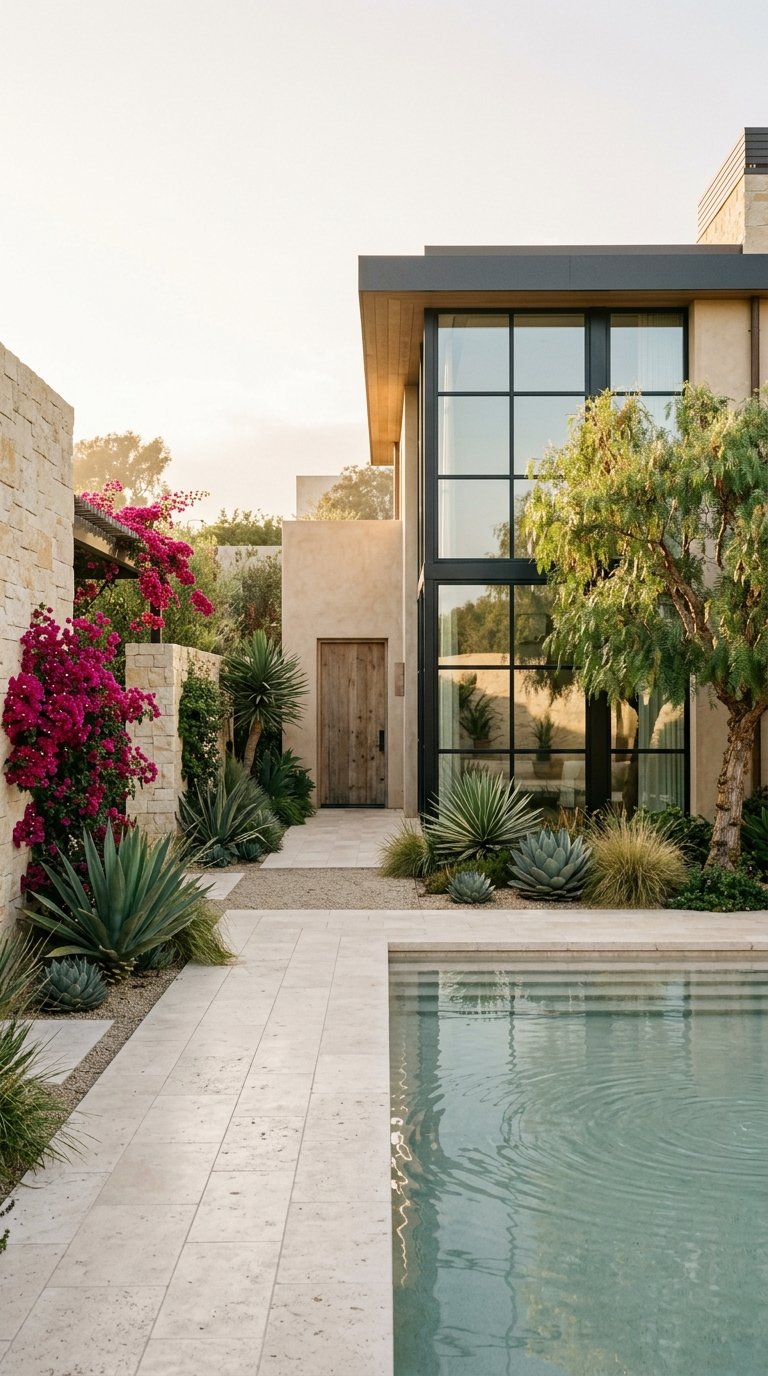
For buyers drawn to a marina lifestyle, San Marino Condominio & Marina Club adds another layer to the conversation. Its project materials describe a marina-condominium community with 108 houses and 88 apartments on the Panamericana Sur in Pisco, positioning it as a residential option for people who want a coastal base designed around leisure and repeat use. You can explore the project through San Marino Condominio & Marina Club.
How Texas and Peru Complement Each Other
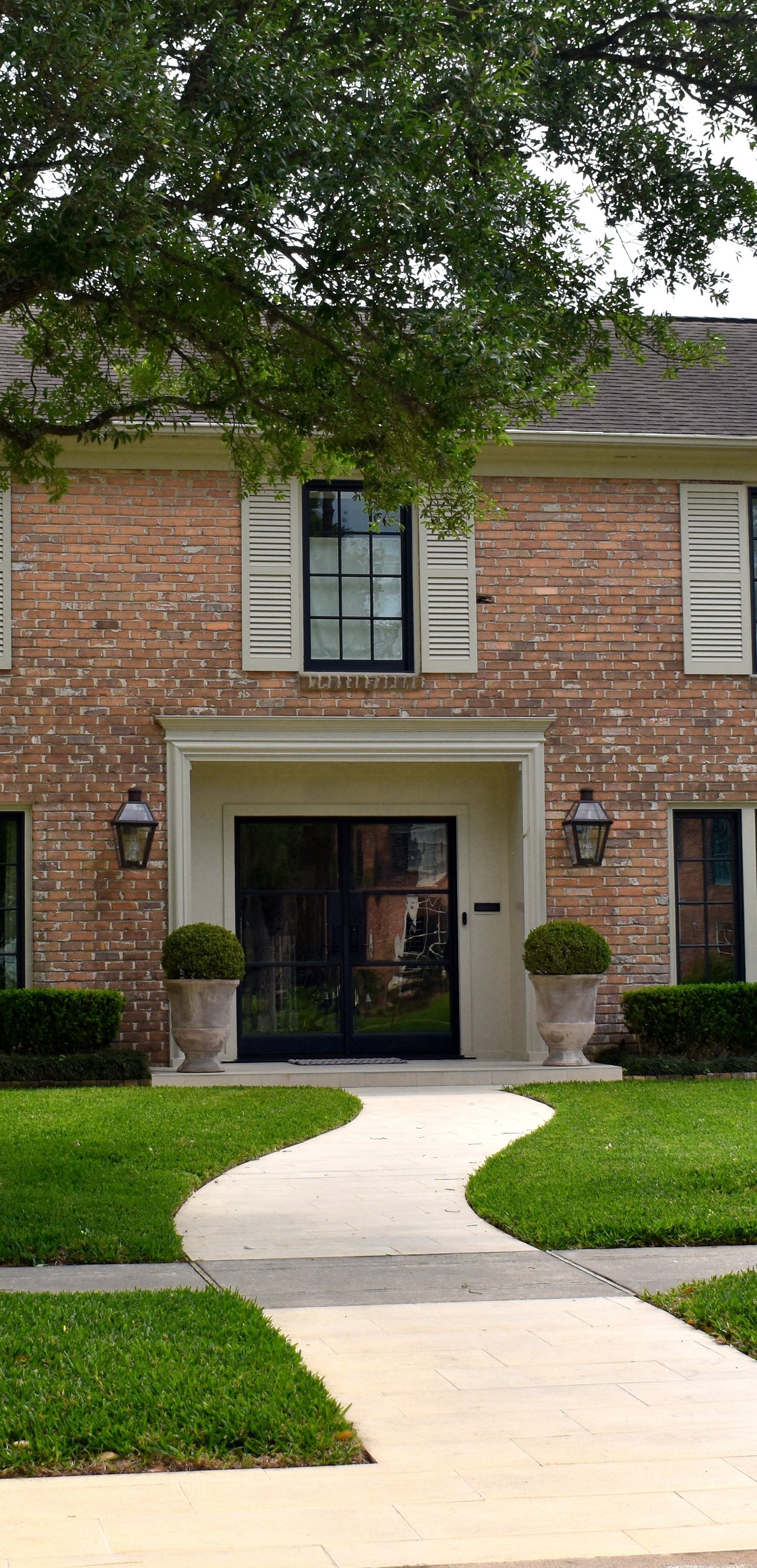
A strong dual-home strategy is usually not about splitting time equally. It is about giving each home a job. In practice, your Texas residence can support work, family routines, and year-round continuity, while your Pisco home can serve as a place for extended stays, entertaining, and seasonal reset.
That rhythm makes sense when you look at climate patterns. In the Houston area, NOAA climate normals show average highs of 92.3°F in June, 94.5°F in July, and 94.9°F in August, which can make summer planning feel intense depending on your schedule and preferences. You can review those figures through the Houston climate normals summary from NOAA.
On the Peru side, the coastal season works differently. Official tourism material for the broader Pisco-Paracas corridor describes a warm, desert, dry subtropical climate, with the most beach-friendly season generally running from January through April. That creates a useful contrast if you want a second home that supports a different seasonal pace rather than duplicating your Texas environment.
What the Year Can Look Like
One of the best ways to design a binational lifestyle is to think in seasons, not just destinations. Instead of asking, “Where will we live full time?” you may get a better answer by asking, “What do we want each part of the year to feel like?”
A simple framework could look like this:
- Texas as your anchor: daily life, work schedules, primary routines, and ongoing commitments
- Pisco as your coastal retreat: longer stays, hosting, recreation, and lifestyle flexibility
- Flexible summer planning: the option to shift time based on weather, travel goals, or family calendars
- Winter and spring use in Peru: especially appealing during the January to April beach season
This model is often more realistic than trying to force a perfect 50-50 split. It gives you structure, but it also leaves room for spontaneity.
Travel Is Manageable With Good Planning
If your Texas base is in Greater Houston, the travel path is fairly straightforward. United’s Houston to Lima flight options show active itineraries through IAH and LIM, making Houston a practical gateway for readers in The Woodlands, Bentwater, and the broader Houston area.
Once you land in Lima, the next step is the road transfer south to the coast. Travel times vary depending on your exact endpoint and traffic, so the most accurate way to frame the trip is as a half-day journey rather than a fixed number. Official and project sources place nearby destinations in a range from roughly 2 hours to 3.5 hours, which is enough to keep the coast in practical weekend-trip range without oversimplifying the logistics.
There is also airport infrastructure in Pisco. According to Aeropuertos del Perú’s Pisco airport page, the airport is operational, although a notable share of activity is tied to Nazca Lines sightseeing flights. For most international travelers, Lima still appears to be the main entry point, so it is smart to confirm current service options before building a routine around local air access.
Why the Coast Works Beyond Vacation Use
A second home only becomes part of your real life if the setting supports more than occasional leisure. The Pisco-Paracas corridor has enough surrounding interest to make longer stays feel worthwhile, which is important if you are envisioning a true lifestyle base rather than a property that sits empty most of the year.
Official Peru travel resources describe the region through desert bays, sandy and rocky beaches, and nearby experiences tied to the Ballestas Islands, Paracas National Reserve, Laguna de Moron, and Tambo Colorado. That variety can support different kinds of use, from quiet weekends to boating-oriented trips and entertaining guests. You can see examples through Peru’s official travel information for the area and the broader regional context in the Peru protected areas guide.
For buyers used to waterfront or lifestyle-driven real estate in Texas, that matters. You are not just buying scenery. You are buying optionality, which often makes a second home more enjoyable and more usable over time.
Design the Homes Around Their Purpose
The most successful dual-home owners usually avoid making both residences do the exact same job. Instead, they let each property reflect its role in their life.
Your Texas home may need to prioritize efficiency, privacy, workspace, storage, and the routines that keep your week moving. Your Pisco home may work best when it is designed for ease, hospitality, and a lighter way of living, especially if you plan to use it for longer stays, holidays, or hosting family and friends.
That is where a design-forward mindset becomes helpful. When you think carefully about flow, furnishings, maintenance, and indoor-outdoor use, the two homes can complement each other instead of competing with each other.
Think in Terms of Practical Weekend Range
One common question is whether the Pisco coast is close enough to Lima for frequent use. Based on the research provided, the best answer is yes, within practical weekend-trip range, while exact drive time varies by destination point and traffic.
That distinction is important because it keeps expectations realistic. If you build your lifestyle around easy access rather than guaranteed exact timing, the experience tends to feel smoother and less frustrating.
For many cross-border buyers, that is the real goal. You want the Peru home to be reachable enough to use often, but distinct enough to truly feel like a reset.
Know the Entry Basics Before You Plan
If you are a U.S. citizen planning short stays, the entry framework is relatively straightforward. The U.S. State Department’s Peru travel information states that Peru requires a passport valid for at least six months from entry, and U.S. citizens do not need a tourist visa for stays of less than 90 days.
The same guidance notes the importance of keeping a record of entry. It also advises travelers to review added documentation requirements when minors travel without both parents or legal guardians, which is especially important for family travel planning.
This is where good preparation helps the lifestyle feel simple. A dual-home plan works best when the travel side is treated with the same care as the real estate side.
Build the Right Advisory Team
A cross-border lifestyle can be inspiring, but it also benefits from clear professional guidance. Real estate decisions that involve title, tax, financing, residency, and estate planning should be reviewed with licensed professionals in the appropriate jurisdictions.
That does not take away from the vision. It strengthens it. When you pair lifestyle planning with the right advisors, you can move forward with more confidence and fewer surprises.
If you are based in Texas and exploring how a luxury primary home, waterfront property, or international real estate strategy should fit together, working with a bilingual advisor who understands cross-border goals can make the process far more efficient. When you are ready to discuss your broader real estate picture, connect with Janet Chavez for a polished, relationship-driven approach grounded in Texas market expertise and international fluency.
FAQs
Is Pisco, Peru practical for a second-home lifestyle?
- Yes. Pisco offers a coastal setting south of Lima, and the research supports it as a realistic second base for repeat use rather than only occasional vacation travel.
How long does travel from Houston to Pisco, Peru usually take?
- The most accurate expectation is a Houston-to-Lima international flight followed by a road transfer of several hours to the Pisco-Paracas coast, so it is best planned as a half-day onward journey.
Is the Pisco coast usable year-round for second-home owners?
- Yes. The region is described as having a dry coastal climate year-round, with the most beach-friendly season typically running from January through April.
Do U.S. citizens need a visa for short stays in Peru?
- No. According to the U.S. State Department information provided, U.S. citizens do not need a tourist visa for stays under 90 days, with valid passport and entry requirements in place.
Is Pisco the same place as Paracas for travel planning?
- No. They are adjacent and closely connected, but they are not identical destinations, so it is best to describe the area carefully when discussing drive times and location.
What is the best way to structure a Texas and Peru dual-home lifestyle?
- A practical model is to use your Texas home for routine life and your Pisco home for extended stays, recreation, entertaining, and seasonal flexibility.