
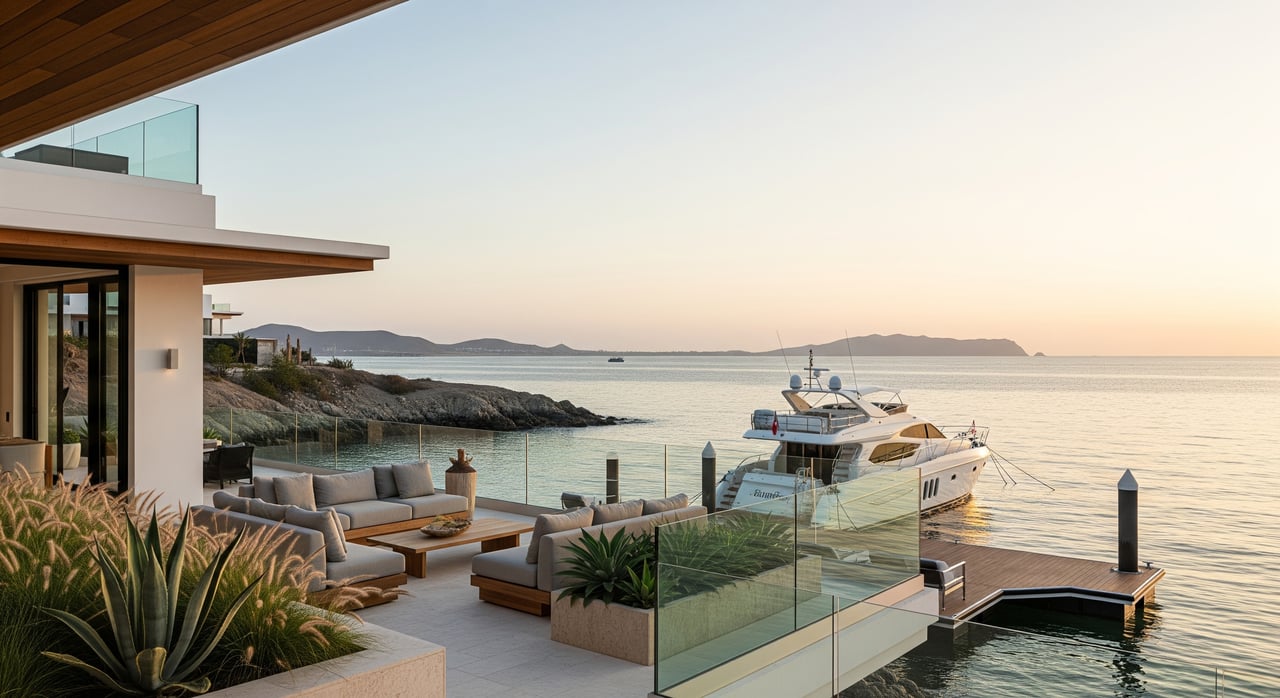
Are you picturing a yacht‑centric lifestyle on Peru’s coast, with your boat steps from home and weekends spent exploring Paracas Bay? If San Marino in Pisco is on your radar, you are smart to look beyond the views and understand how marina communities work here. Buying into a marina setting involves unique rules, fees, and risks that you should evaluate up front. In this guide, you’ll learn the essentials about local conditions, governance, due diligence, and the right questions to ask so you can move forward with confidence. Let’s dive in.
Why Pisco appeals to boaters
Location and marine setting
Pisco sits on Peru’s central coast near the Bay of Paracas and the Paracas National Reserve, a draw for boating and tourism. This mix of tourism, fishing, and port activity can support marina demand while adding operating considerations around protected‑area rules and working‑waterfront traffic. If you value access to destinations like Islas Ballestas, the area’s location is a major plus. Plan your boating routes and timing with local traffic and regulations in mind.
Climate and sea conditions
The region has an arid coastal desert climate with low rainfall and a frequent marine layer. Sea conditions vary with swell and seasonal wind patterns, so expect stronger winds in certain months. Tides, currents, and sediment transport can affect usable depth, which is why marinas often plan for dredging. Before you buy, ask the operator about local tidal ranges, design depths, and dredging schedules.
Seismic and tsunami readiness
The Pisco area is seismically active. The 2007 Pisco earthquake (Mw 8.0) caused major regional damage, and coastal properties must plan for both seismic and tsunami risks. Marina and building designs should follow Peru’s Código Nacional de Edificaciones and align with INDECI guidance for evacuation and emergency response. Confirm that the community has a posted tsunami evacuation plan and understands vertical evacuation options where needed.
What a premier marina community includes
Slip types and ownership models
Quality marinas offer a range of berths, from floating docks with finger piers to fixed concrete docks for larger vessels. You may see wet slips and dry‑stack storage for smaller boats. Occupancy models vary: some communities sell slips, others use long‑term leases or membership and transient moorage. In Pisco, verify the exact legal model with the developer or manager before you commit.
Core dockside services you should expect
Look for shore power with clear voltage specifications, freshwater hookups, reliable Wi‑Fi, lighting, and secure access. Many full‑service marinas provide fuel, a blackwater pump‑out, and defined waste and recycling protocols in line with Peruvian and international rules. Strong security often includes gated entry, CCTV, and staffed patrols. Guest services might include concierge support, provisioning coordination, and transient reservations.
Maintenance, haul‑out and nearby yards
Your downtime and costs improve when mechanical, electrical, fiberglass, and rigging services are close by. Ask about travel lifts, haul‑out capacity, and preferred local yards. If the marina relies on periodic dredging, understand how that work affects access and who pays for it. Maintenance clarity helps keep your vessel ready and your budget predictable.
Lifestyle rules and guest policies
Marina living means shared docks and close neighbors. Expect rules on guest access, noise, vessel appearance standards, and limits on in‑place boat work or painting for environmental reasons. Many communities define liveaboard policies, subletting, and commercial use rules. Read these carefully if you plan to host, rent, or run charters.
Governance, fees and insurance
HOA documents to review
Treat the HOA or marina association like a small business you are buying into. Ask for bylaws, rules and regulations, CC&Rs or similar covenants, the operating budget, audited financials, and the reserve study or capital improvement plan. Reviewing recent board minutes can surface recurring issues or upcoming expenses. Solid governance and reserves help avoid surprise assessments.
Typical fees to budget
Your ongoing costs may include HOA or association dues, slip or moorage fees if you are leasing, and metered utilities like electricity, water, and Wi‑Fi. Plan for waste removal fees and potential special assessments for capital projects such as dredging or dock rehabilitation. Some communities also charge transfer or administrative fees on a resale. Build a conservative annual budget before you sign.
Insurance standards
Most marinas require hull insurance and third‑party liability coverage for your vessel. The HOA typically insures common areas and shared infrastructure. Verify minimum coverage amounts and any named‑insured requirements. Ask for certificates and sample policies so your broker can match terms.
Rules and permits that shape your use
Maritime and port authorities
In Peru, DICAPI oversees maritime safety, vessel registration, and navigation rules. The Autoridad Portuaria Nacional (APN) manages port concessions and infrastructure that may affect marinas in concession areas. If your slip sits within a concession or lease, understand the rights and obligations tied to that instrument. Clear regulatory standing helps protect your use and transferability.
Environmental sensitivities near Paracas
The Paracas National Reserve is managed by SERNANP and has rules that can limit noise, light, discharge, and construction footprints. Projects in this zone often require environmental permitting through MINAM and adherence to mitigation measures. Ask for the marina’s permits, environmental impact documents, and any correspondence with authorities. Good compliance protects the ecosystem and your investment.
Building codes and emergency planning
All construction should align with the Código Nacional de Edificaciones and municipal permits. In a seismic coastal zone, look for design features that address shaking, run‑up, and evacuation. Request the community’s earthquake and tsunami emergency plans and confirm posted routes. Preparedness is a key part of value and peace of mind.
Investment lens: upside and risks
What can drive value
Pisco benefits from tourism and boating demand tied to Paracas and nearby attractions. A marina that offers full service, clear ownership rights, solid reserves, and infrastructure adapted to local sea and seismic conditions can stand out. Active dredging plans and transparent budgeting support long‑term performance. The right mix of services and governance tends to attract stable owners.
Key risks to manage
The main risks include seismic and tsunami exposure, environmental restrictions near protected areas, and the cost and frequency of dredging. Unclear concession or lease terms can limit transferability or financing. Weak HOA financials or opaque governance can lead to surprise assessments. Your due diligence should address each of these before you commit capital.
Due diligence checklist for San Marino
Use this list to request documents and verify details with the developer, operator, or public records (such as SUNARP):
- Slip deed, lease, or concession, plus SUNARP registration showing boundaries, duration, and transfer rules.
- HOA bylaws, rules, current operating budget, reserve study, and recent audited financials.
- Board meeting minutes and any notices of special assessments.
- Environmental permits, environmental impact documents, and correspondence with SERNANP and MINAM.
- Dredging plan, schedule, and historical dredging records, including who pays.
- Insurance certificates for marina facilities and owner insurance requirements.
- Vessel mooring rules, guest policies, and any rental program guidelines.
- Earthquake and tsunami emergency and evacuation plans.
- Construction specifications for docks and pilings, design life, and maintenance plans.
- Local zoning and municipal permits for the marina and related development.
Smart questions to ask the developer
- What is the legal status of slips: owned title, long‑term lease, concession, or membership?
- Are slips transferable on the open market, and are there transfer fees or approvals?
- What are current HOA fees, what do they cover, and can you provide audited statements and a reserve study?
- How often is dredging required, who pays, and what are recent costs?
- What slip sizes are available, and what are maximum LOA and beam limits?
- Which utilities are included at the dock, and how are fees metered?
- What security measures are in place and during what hours are they staffed?
- Are there on‑site maintenance and haul‑out services, or preferred nearby yards?
- What are the rules for rentals, subletting, or commercial use?
- What insurance is required of owners, and what does the HOA insure?
- Have there been any environmental compliance issues, and are there Paracas Reserve restrictions that affect operations?
- How are earthquake and tsunami emergencies handled, and are routes posted?
Steps to decide if San Marino fits you
- Define your use case. Weekend cruising, seasonal moorage, or full‑time boat access each drive different needs.
- Match vessel to slip. Confirm LOA, beam, depth, and utility compatibility for your current or planned boat.
- Validate legal standing. Confirm title or concession terms, transferability, and registration at SUNARP.
- Stress‑test the budget. Add HOA dues, utilities, insurance, and likely assessments to your annual plan.
- Check safety and operations. Review emergency plans, security, and dredging schedules.
- Align with rules. Ensure rental, guest, and commercial policies match your plans.
- Engage local experts. Speak with a Peru‑licensed attorney, tax advisor, and a marina operations contact.
Work with a trusted cross‑border guide
If you are considering marina community living in Pisco, a clear plan and the right team make all the difference. Our Global Division helps international buyers and Latin American investors navigate ownership structures, governance, and risk in waterfront settings, then coordinate trusted local professionals for legal and tax guidance. We combine boutique attention with bilingual support so you can move quickly and confidently. Ready to explore options and build your cross‑border strategy? Connect with Janet Chavez for a discreet consultation.
FAQs
Can nonresidents finance a slip purchase in Peru?
- Availability varies by lender and project. Some buyers use local banks, others pursue developer financing. Consult a Peru‑based lender before you commit.
Do marina slips count as real property in Peru?
- It depends on the legal instrument. Verify whether your right is fee ownership, lease, or concession and confirm registration at SUNARP.
What ongoing costs should I expect beyond the purchase price?
- Budget for HOA dues, utilities, insurance, routine maintenance, and potential special assessments for capital projects like dredging.
Can I rent my slip or boat to generate income?
- Possibly, but it depends on HOA rules, local permitting, and tax reporting. Confirm policies before planning rental income.
How safe are Pisco marinas from earthquakes and tsunamis?
- Risk exists in this seismic coastal area. Evaluate infrastructure design, posted emergency plans, and INDECI guidance to understand readiness.